Qual Lab
Purpose
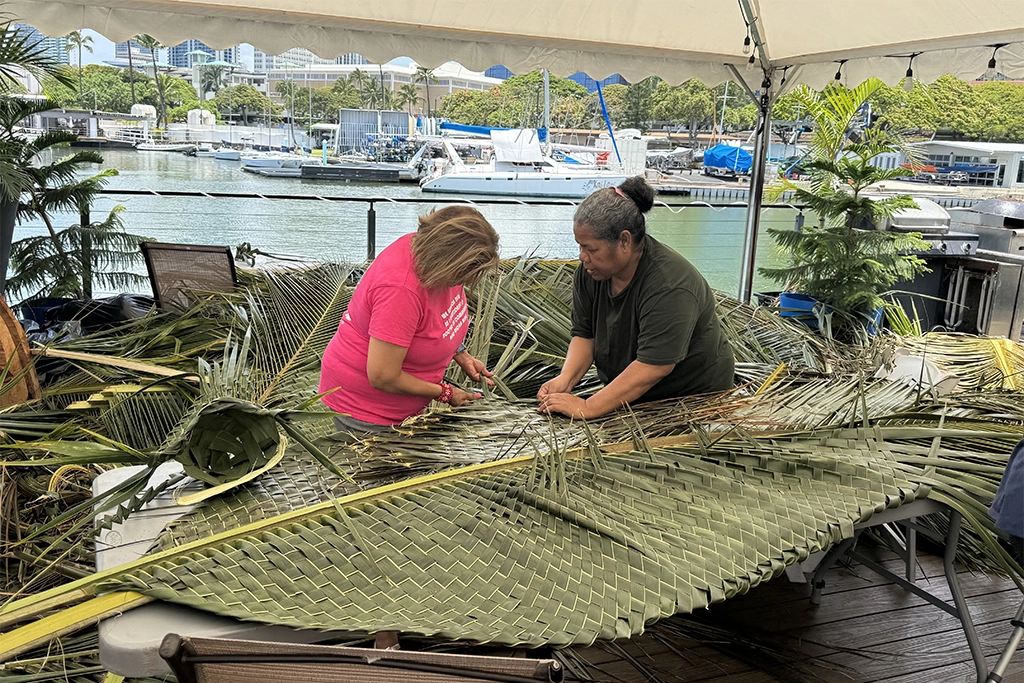
The Field-Based and Participatory Qualitative Research Lab ("Qual Lab") advances methodological and theoretical work in field-based and participatory qualitative research through collaborative scholarship, faculty and student mentorship, and community-engaged inquiry that centers lived experience, relational research practices, and inclusive knowledge production.
Statement
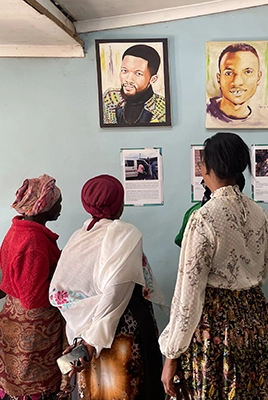
Field-based and participatory qualitative research is relational, collaborative, and responsive to communities using designs and methods that are experiential, embodied, expressive, interpretive, and grounded within theoretical engagement. This research group centers around producing collaborative methodological work while also supporting field-based and participatory research across diverse empirical projects.
This research lab is an ensemble of qualitative researchers, whose collaborative purpose is to:
- support faculty and students engaging in complex field-based and participatory qualitative research; and
- provide opportunities for collaborative projects in publishing theoretical and methodological pieces in qualitative research.
Methodological Orientation
Field-based and participatory qualitative research is an approach that centers inquiry in real-world contexts, valuing participants’ stories, lived experiences, and their contributions to knowledge. The added layer of participatory ways of knowing centers on amplifying marginalized voices while also positioning participants as active collaborators in the knowledge-making process. Thus, our methodological orientation for this lab is to engage with either field-based approaches or a combination of field-based and participatory modes of inquiry to conduct research with communities in local, national, and international contexts.
Research Group Goals & Alignment to CEHD Mission
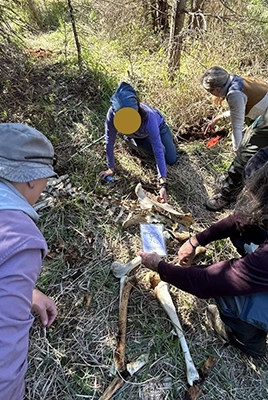
Through collaborative partnerships and scholarship, faculty participating in the Qual Lab will pursue inquiry and innovation in complex research methods, methodologies, and theoretical frameworks, aiming to promote inclusive development and learning for everyone in diverse environments. It will also offer opportunities to participate in research that extends beyond North America to transnational spaces, directly impacting complex societies at local and global levels. Our long-term goals include providing greater understanding to the CEHD community of the complexity and rigor required to do field-based and participatory qualitative research; providing support for faculty engaging in field-based and participatory research projects; providing socialization opportunities for faculty; and providing mentorship of students in advanced qualitative research methodologies, specifically field-based and participatory methods.
Recruitment of Faculty
The core faculty will establish the guidelines for the group aligned to methodological and theoretical frameworks intrinsic to rigorous qualitative inquiry. Once the lab is established, we would encourage broader participation among faculty and students.
Deliverables
- Each faculty member will present a piece focused on methodology or method at either the CEHD Research Conference or a Research & Development brown-bag event to support greater understanding among CEHD colleagues of field-based and participatory qualitative methods.
- Each faculty member will identify a publishable project (they may be working on it individually or with other collaborators) each year that the group will support by providing methodological expertise, support with analytic methods, or overall formative feedback on the final product.
- Each year, the group will collaborate on a methodological piece for publication.
Mentoring
This group will include doctoral advisees/graduate students who will partner with faculty on the deliverables noted above. Students will participate in an independent research course as a research assistant from a PI’s grant or as a volunteer.
Sustainability
All faculty and graduate students will participate in once-a-month meetings. Faculty will develop a monthly seminar series for PhD students and faculty to maintain engagement beyond the first year.
- pempho.chinkondenji@UND.edu
- 701.777.4337
-
Education Room 322
231 Centennial Drive Stop 7189
Grand Forks, ND 58202-7189
- renuka.desilva@UND.edu
- 701.777.5868
-
Education Building Room 256
231 Centennial Drive Stop 7189
Grand Forks, ND 58202-7189
- cheryl.hunter@UND.edu
- 701.777.3431
-
Education Building Room 240
231 Centennial Drive Stop 7189
Grand Forks, ND 58202-7189
- joshua.hunter@UND.edu
- 701.777.3582
-
Education Building Room 372
231 Centennial Drive Stop 7189
Grand Forks, ND 58202-7189